
ULTRASONIC RHINOPLASTY · MÁLAGA
Facial harmony shaped with
ultrasonic precision
Ultrasonic and preservation rhinoplasty in Málaga, with an approach that brings together breathing function, facial proportions and respect for nasal anatomy. Surgery is performed at Quirónsalud Málaga Hospital, with individualised planning and particular attention to postoperative care.
DUAL MEDICAL EXPERTISE · MÁLAGA
Facial harmony and breathing function in a single procedure
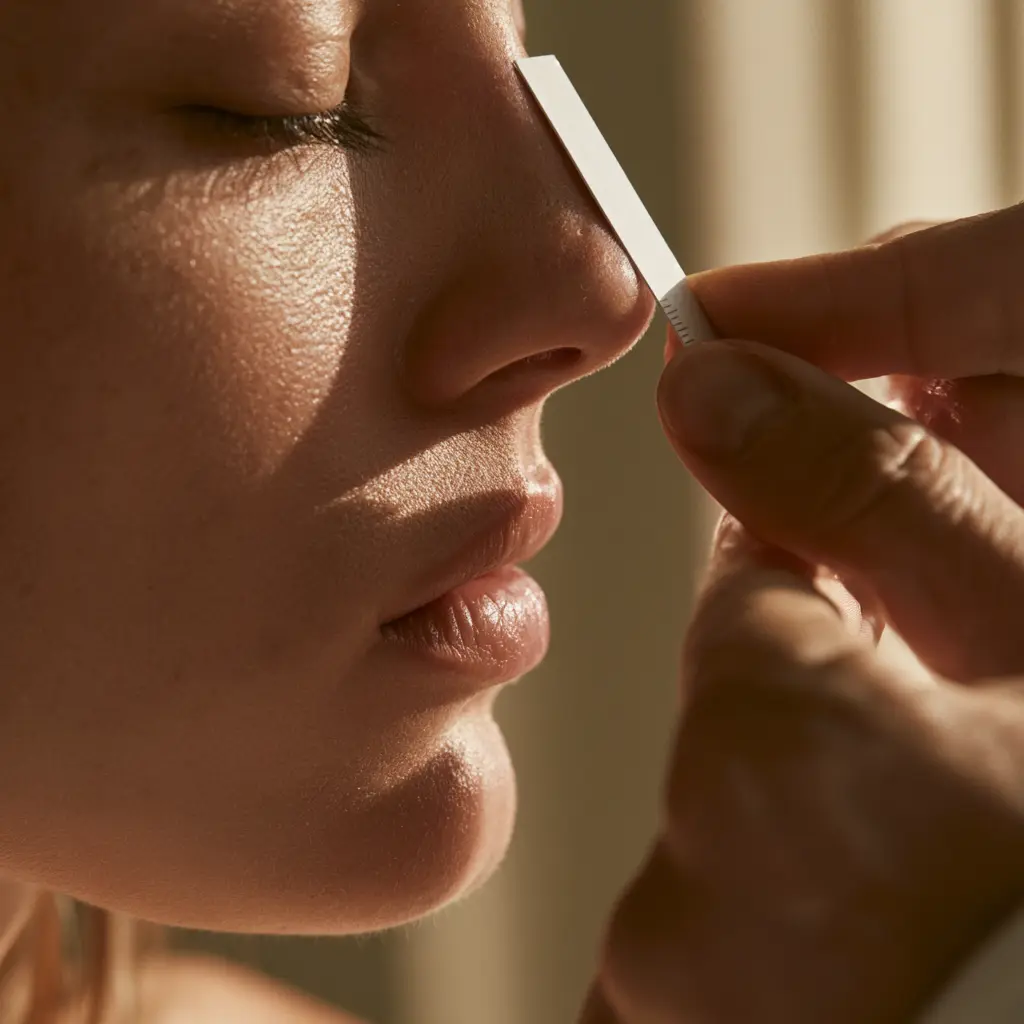
The nose is more than an aesthetic feature. Its structure plays a direct role in breathing and contributes to the overall balance of the face. My background in ENT and facial plastic surgery allows me to assess both aspects together.
When necessary, surgery can address problems affecting the nasal septum, turbinates or nasal valves while also refining the bridge or tip. The aim is to achieve a result that complements your facial proportions, without treating form and function as separate concerns.
Technology is used only where it brings greater precision. When working on the nasal bones, the piezoelectric system allows for a more selective approach, while the rest of the procedure is tailored to each patient’s anatomy and functional needs.
THE PATIENT EXPERIENCE
A considered approach to postoperative comfort
Postoperative planning is an integral part of surgery. Beyond the surgical technique itself, I pay particular attention to measures intended to reduce swelling, manage discomfort and support a gradual recovery during the first few days.
/01
PIEZOELECTRIC TECHNOLOGY
Ultrasonic energy allows the nasal bones to be treated selectively and with a high degree of precision, reducing trauma to the surrounding soft tissues.
/02
WELL-TOLERATED NASAL PACKING
When indicated, I use nasal packing designed to provide support during the first postoperative hours and to be well tolerated when removed.
/03
DAY 7: SPLINT REMOVAL
The external splint is usually removed around the seventh day, when we can make an initial assessment of your progress, although swelling is still to be expected at this early stage.
/04
A GRADUAL RETURN TO SOCIAL ACTIVITIES
Social and professional activities can often be resumed gradually after around 8–10 days, although some swelling may persist and recovery varies according to the procedure and the individual patient.

Real Cases
Results, told through real patients
Every result reflects a different anatomy. The aim is not to reproduce a particular shape, but to seek a natural harmony that suits each patient’s face.


TWO GOALS IN ONE SURGICAL PROCEDURE
patient stories
The experience, in patients’ own words
Every patient experiences surgery differently. Hearing how others have experienced the consultation, procedure and recovery can offer a more personal and relatable understanding of the process.
reconstructive expertise
Specialist procedures and complex cases
BESPOKE RECONSTRUCTION
Secondary and Revision Rhinoplasty
Revision rhinoplasty involves working with anatomy that has already been altered, where scarring, loss of support or functional problems may be present. When required, I use the patient’s own ear or rib cartilage grafts to reconstruct structures, restore support and improve both appearance and function.
DISTINCTIVE FACIAL ANATOMY
Male and Structural Rhinoplasty
Male rhinoplasty requires a specific understanding of facial proportions and the features that define each patient’s identity. The aim is not to impose a predetermined masculine shape, but to assess the relationship between the bridge, tip, projection and nasolabial angle, preserving the character of the face and avoiding feminisation or overcorrection.
clarity and planning
Exploring your new profile before surgery
To address concerns about the potential result and help ensure we share the same aesthetic goals, I carry out a three-dimensional assessment beforehand. Discover how I use advanced technology to help visualise possible anatomical changes while preserving what makes you unique.
Shall we talk about your case?
I invite you to an assessment consultation in Málaga to understand what you hope to achieve, examine your facial anatomy and explore an approach that respects your proportions, breathing function and individuality.
Travelling from outside Málaga? We can also help you organise the practical aspects of your stay around surgery.
essential information
Frequently asked questions about rhinoplasty
what are the advantages of having rhinoplasty performed by a surgeon who is also an ENT specialist?
The nose is, first and foremost, a vital organ for breathing. Combining my training in ENT and facial plastic surgery allows me to approach rhinoplasty comprehensively, considering both nasal appearance and breathing function.
Where indicated, a single surgical plan can address internal functional problems (such as a deviated septum or enlarged turbinates) while also refining the external shape and proportions of the nose. The aim is a nose that looks harmonious on the outside and works well on the inside.
what is ultrasonic rhinoplasty and how does it differ from conventional techniques?
Ultrasonic rhinoplasty uses a piezoelectric device that works on certain parts of the nasal bones through high-frequency vibrations. Unlike traditional approaches, which used instruments such as chisels and mallets to perform osteotomies, the ultrasonic system allows the bone to be treated more selectively and precisely, reducing trauma to the surrounding soft tissues.
It does not replace the rest of the operation: the tip, cartilage, septum and functional structures require other techniques suited to each patient’s anatomy.
can rhinoplasty also improve breathing?
Yes. When functional problems are present, such as a deviated septum, enlarged turbinates or nasal valve issues, they may be addressed during the same operation if the assessment indicates that this is appropriate.
That is why rhinoplasty planning should not focus solely on the shape of the nose. In every case, I consider facial proportions, nasal anatomy and breathing function together to define treatment suited to the individual patient’s needs.
what is recovery like after rhinoplasty?
Recovery is gradual and varies according to the type of surgery and each patient’s progress. The external splint is usually removed around day seven and, in many cases, social and professional activities can be resumed gradually after around 8–10 days.
During the first few weeks, the appearance of the nose continues to change as the tissues settle and swelling subsides. Postoperative follow-up is therefore an essential part of the process.
how is the result planned before surgery?
Planning begins with an analysis of facial proportions and nasal anatomy. Facial profile analysis helps assess the relationship between the nose and the rest of the face and, when useful, photographic simulation can help visualise potential changes before surgery.
A simulation is not a promise of the final result; it is a tool for discussing expectations, assessing which changes are anatomically feasible and agreeing on a shared aesthetic goal before the procedure.
Get in touch
and begin your consultation journey
I want to understand your needs
To offer you personalised advice and support, please complete the form and I will be in touch.
medical judgement and evidence
Clinical information informed by experience and scientific evidence
The information on this page draws on clinical practice and, where relevant, selected scientific literature on rhinoplasty, nasal function, ultrasonic surgery and preoperative planning.
Clinical practice guideline covering preoperative assessment, nasal function, patient expectations and follow-up care for rhinoplasty patients.